Have you ever checked into a luxury hotel and felt like you could be anywhere in the world, tucked away behind the same sterile walls and generic glass? It’s a common frustration for the modern traveller who craves a connection to local stories, yet often finds themselves choosing between a soulless suite or a historic stay that feels a bit too “outdated” for comfort. Choosing colonial era accommodation shouldn’t mean sacrificing the finer things in life. In fact, Australia’s heritage tourism market is thriving, valued at over $12.2 billion USD in 2025, because more guests are discovering that the past can be incredibly sophisticated when curated with care.
We agree that a getaway should feel like a one-of-a-kind escape, not a compromise on quality. This guide will show you how colonial era accommodation blends 19th-century character with bespoke modern luxury for a truly unique Australian experience. You’ll learn how to find authentic stays that offer premium amenities, allowing you to immerse yourself in history without losing the quiet elegance you deserve. We’ll explore the art of living history, where every hand-laid brick tells a story and every guest is treated like an honoured friend in a beautifully restored, boutique landscape.
Key Takeaways
- Learn why architectural integrity and heritage listing are the foundations of a truly authentic stay in a historic Australian landmark.
- Identify the sensory hallmarks of 19th-century craftsmanship, from hand-laid brickwork to the natural thermoregulation provided by thick sandstone walls.
- Discover how the finest colonial era accommodation achieves a sympathetic restoration, ensuring modern comforts never overshadow the building’s original character.
- Explore the restorative power of “living history” and how immersive storytelling creates a deeper emotional connection than any standard hotel room.
- Uncover the unique charm of staying at the Historic Arnott Bakehouse, where iconic settings like the William Arnott Boutique Hotel serve as a bridge between past and present.
Defining Colonial Era Accommodation: More Than Just an Old Building
Colonial era accommodation isn’t merely about finding a place to sleep; it’s an invitation to step inside a story that began nearly two centuries ago. While modern hotels offer efficiency and predictable glass facades, these historic stays provide a rich, evocative narrative. Broadly defined, this type of lodging is found within structures built during Australia’s early European settlement period, typically spanning from the early 1800s through to the late 19th century. Choosing to stay in these spaces is an act of living history. You aren’t just observing a museum exhibit from behind a velvet rope. You’re sleeping within the same walls that housed the families who helped shape the foundations of the country.
For many travellers, the appeal lies in the escape from the “cookie-cutter” feel of international hotel chains. There is a quiet confidence in a building that has stood for 170 years. Instead of sterile corridors, you find corridors that lean with character and rooms that possess a unique, handcrafted soul. It’s a personal and invitational experience that makes you feel like an honoured guest in a private home rather than a transaction in a database.
The 19th-Century Legacy in Australia
In the early decades of the colony, landmark buildings like bakehouses, taverns, and cottages were the bustling centres of local life. These structures were built to last, reflecting the diverse Australian residential architectural styles that evolved as settlers adapted traditional European techniques to the local climate. From the sturdy Georgian simplicity of the early 1800s to the more ornate Victorian flourishes of the late century, these buildings served as community hubs. Staying in a restored bakehouse or a merchant’s cottage allows you to connect with that communal legacy, experiencing the craftsmanship of a bygone era firsthand.
Heritage-Listed Significance
To be truly considered premium colonial era accommodation, a property is often heritage-listed. This status is far more than a formal title. It represents a legal commitment to protecting the building’s architectural integrity and historical significance. In New South Wales, for example, properties on the State Heritage Register must meet rigorous maintenance standards to ensure they don’t deteriorate. For a guest, this heritage status is a hallmark of quality and authenticity. It guarantees that the materials, from the hand-pressed bricks to the original timber joists, are genuine. At the Historic Arnott Bakehouse, we take immense pride in this stewardship. Our boutique hotel in Maitland is a testament to how strict preservation can coexist with sophisticated comfort, offering a one-of-a-kind sanctuary for those who value both history and luxury.
The Hallmarks of Authentic 19th-Century Craftsmanship
Authentic colonial era accommodation is defined by a tactile honesty that modern construction rarely replicates. When you step across the threshold of a 19th-century building, you’re immediately struck by the weight and presence of the materials. These structures weren’t just built; they were crafted from the very land they stand upon. One of the most significant hallmarks is the use of thick sandstone or double-brick walls. These weren’t merely aesthetic choices. They provided natural thermoregulation, keeping rooms remarkably cool during a searing Australian summer and retaining warmth long after the sun set in winter. This thermal mass creates a living environment that feels grounded and permanent.
Inside, the sense of space is transformed by soaring high ceilings and original timber floorboards. In many premium heritage stays, you’ll find the gentle creak of seasoned ironbark or cedar underfoot, polished by generations of use. Hand-crafted details like ornate plaster cornices and original marble or cast-iron fireplaces serve as focal points, reminding guests of a time when every element of a room was finished by a skilled artisan. These features aren’t just decorations; they’re the physical evidence of 19th-century pride in workmanship.
Architectural Features to Look For
To identify a truly authentic colonial stay, look for the use of local, resilient materials. Convict-hewn stone and hand-pressed bricks often bear the unique marks of their makers, adding a layer of grit and history to the walls. According to the National Trust of Australia, preserving these original textures is vital for maintaining the cultural significance of our built heritage. You might find yourself in a detached cottage that once served as a worker’s residence or a loft studio originally designed for industrial storage. These layouts offer a departure from the predictable square footprint of modern suites, providing nooks and alcoves that invite quiet reflection. The “patina” of the building—the soft wear on a stone doorstep or the slight ripple in antique glass—tells a story that a new build simply cannot fake.
Atmospheric Elements
The atmosphere within these historic walls is one of profound quietude. The heavy masonry acts as a natural sound barrier, muffling the outside world and creating a sanctuary of stillness. Light plays a crucial role here too. Original sash windows and delicate leadlight glass filter the Australian sun, casting soft, dancing shadows across the room. Outside, historic gardens and secluded courtyards often wrap around the building, offering a private green escape that feels miles away from the hustle of modern life. If you’re looking to immerse yourself in these sensory details, a stay at the William Arnott Boutique Hotel offers a perfect opportunity to see how 1800s craftsmanship can be seamlessly preserved for the modern traveller.
Balancing 1800s Character with 21st-Century Luxury
The true magic of premium colonial era accommodation lies in its ability to feel like a portal to the past without demanding the sacrifices of 19th-century life. We’ve all seen the “museum” style of historic stay, where velvet ropes and “do not touch” signs make you feel like an intruder in a dusty gallery. The modern standard for luxury heritage is different. It’s about sympathetic restoration. This philosophy ensures that the soul of the building remains intact while the internal experience matches the expectations of a discerning 21st-century traveller. It’s a delicate dance between preserving a hand-hewn beam and installing discreet, high-end climate control that keeps you comfortable regardless of the Hunter Valley heat.
Luxury is often found in the details you don’t immediately see. While you might be admiring the original 1850 Scotch Oven or the rhythmic pattern of convict bricks, you’re also resting on high-thread-count linens and enjoying a room temperature perfectly tailored to your preference. This blend of eras creates a stay that is both grounded in tradition and effortless in its hospitality. By focusing on curation rather than just preservation, we ensure that every suite feels like a personal sanctuary rather than a step back into hardship.
Modern Amenities in a Historic Setting
Integrating high-speed Wi-Fi and smart tech into a 170-year-old building is an art form. We believe these features should be invisible servants to your stay, never disrupting the evocative aesthetic of the space. One of the biggest challenges in historic suites is modern soundproofing. We use traditional building methods alongside contemporary acoustic materials to ensure your privacy remains absolute, even within walls that have heard whispered secrets for nearly two centuries. Perhaps most importantly, luxury bathroom renovations are a non-negotiable. We’ve replaced the washbasins of the past with premium rain showers and bespoke cabinetry, ensuring the most functional parts of your stay feel indulgent and refreshed.
The Art of Sympathetic Restoration
Restoring a landmark building requires a deep respect for the original vision of the builders. Many public and residential structures from this period were influenced by the standards set out in the Colonial (Government) Architect guide, which prioritised durability and structural honesty. Today, architects must work within these rigid historic frameworks to upgrade plumbing, wiring, and insulation without leaving a visible mark. This “hidden modernisation” allows us to maintain the building’s integrity while providing a seamless experience. This level of care is why we believe in the value of individually designed hotel rooms. Each suite is a unique puzzle where we’ve carefully balanced its specific historic quirks with a curated, boutique finish that speaks to modern luxury.
Why Travellers Seek Out Colonial Era Stays
In an era of relentless digital noise, many Australians are looking for a way to unplug that feels more meaningful than a standard beach trip. Choosing colonial era accommodation is often a psychological decision to step out of the frantic present and into a steadier, more reflective pace. There is a profound sense of relief in surrendering the clinical, predictable atmosphere of a modern hotel chain for a room that has witnessed nearly two centuries of life. You aren’t just a guest; you’re a temporary custodian of a space that has its own pulse and history.
This sense of custodianship often sparks a deeper interest in the management of significant property assets. For those looking to explore the strategic side of real estate, Multifamily Schooled provides educational resources for investing in apartment and commercial buildings.
Beyond the personal escape, there’s a collective benefit to these stays. By choosing heritage-listed lodgings, you’re directly supporting the preservation of Australian cultural history. It’s a way of ensuring that landmark buildings aren’t lost to urban sprawl or neglect. This connection to the past is becoming a primary driver for modern travellers. According to data from 2026, there’s a significant shift toward experience-led travel where visitors prioritise meaningful connections with local stories and communities over traditional sightseeing. It’s about finding the “soul” of a destination rather than just a place to leave your luggage.
Escaping the Mundane
Standard commercial hotels are designed for efficiency, often resulting in a “soulless” environment that looks the same in Brisbane as it does in Berlin. In contrast, a heritage stay offers a one-of-a-kind setting that simply cannot be replicated. This uniqueness encourages a slower travel rhythm. It’s about waking up to the soft, filtered light of a 19th-century window and taking the time to notice the craftsmanship in the joinery or the way the courtyard garden has matured over generations. It’s an invitation to slow down, breathe, and appreciate the craftsmanship that defines colonial era accommodation. For those searching for unique places to stay Hunter Valley, heritage properties offer a depth of character and local story that no modern chain hotel can replicate.
This commitment to authenticity is often mirrored in the local dining scene; for example, you can learn more about Curry & Tandoor to see how traditional Indian flavours are meticulously preserved in regional Australia.
A Sensory Connection to the Past
The appeal is deeply sensory. It’s the faint, earthy scent of old timber and the cool, unyielding feel of hand-pressed bricks. For buildings with a storied family legacy, like the Historic Arnott Bakehouse, the connection is even more tangible. Knowing you’re staying in the original bakehouse of the iconic Arnott family adds a layer of narrative that no modern build can offer. Whether it’s an intimate retreat in a space like Fieldsend Cottage or an immersive visit to see the original 1850 Scotch Oven, these experiences provide a bridge to the people who lived and worked here before us. Heritage tours further deepen this understanding, turning a simple holiday into a journey of discovery that stays with you long after you’ve checked out.
If you’re ready to trade the generic for the genuine, book your stay at the William Arnott Boutique Hotel and experience Australia’s living history for yourself.
Experiencing Living History at The Historic Arnott Bakehouse
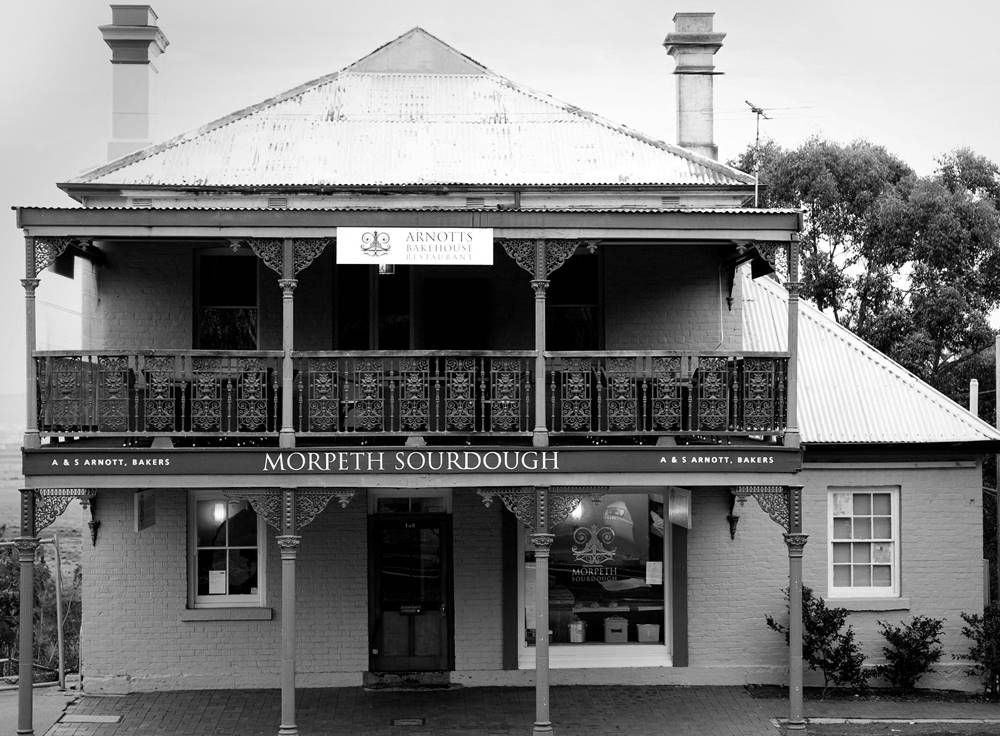
The Historic Arnott Bakehouse stands as a premier example of how industrial heritage can be reimagined as a luxury sanctuary. It is a place where the air still feels thick with the legacy of hard work and artisanal pride. As the original site of the iconic Arnott family’s first commercial venture, the building serves as a tangible link to Australia’s baking foundations. Finding an authentic example of colonial era accommodation that respects its industrial roots while offering high-end comfort can be a challenge, yet here, history is our host. We invite you to do more than just observe the past. We want you to live within it, surrounded by the same hand-pressed bricks and storied timber that witnessed the birth of a national icon.
Our approach to hospitality is that of a storyteller. We’ve carefully curated each corner of the property to ensure the industrial grit of the 19th century remains visible, softened by the quiet elegance of modern boutique design. Whether you are here for a reflective solo retreat or a deep dive into local history, the experience is designed to be personal, invitational, and entirely one-of-a-kind.
Boutique Suites with a Story
Guests can choose from three distinct styles of stay, each offering a different perspective on our heritage. The William Arnott Boutique Hotel provides bespoke suites that blend sophisticated luxury with raw historic character. For those seeking a private, self-contained escape, Fieldsend Cottage offers a secluded retreat that feels worlds away from the modern hustle. Meanwhile, the Loft Studio, East Maitland, provides a contemporary-industrial aesthetic that pays homage to the site’s functional origins. Every room is a curated gallery of our past, featuring textures and layouts that reflect the building’s 19th-century beginnings while ensuring your comfort is never compromised.
Beyond the Bed: Immersive Heritage
A stay with us is a holistic immersion into the art of craft. You can deepen your connection to the site by participating in a sourdough bread making class, where the science of wild yeast and fermentation meets the history of our 1850 Scotch Oven. It’s a chance to learn from Allie’s expertise, demystifying hydration and gut health while standing in the very spot where William Arnott once perfected his craft. To truly uncover the secrets of the bakehouse, we recommend a guided history tour. These walks through time reveal the hidden narratives of Morpeth and the Hunter Valley’s local producers. We encourage our guests to slow down, stay in the story, and appreciate the craftsmanship that has endured for generations. For those captivated by the intersection of food history and hands-on learning, our heritage baking class offers a profound journey into the colonial-era techniques that shaped Australian culinary tradition.
Step Inside Your Own Australian Story
We’ve walked through the hand-pressed bricks and soaring ceilings that define Australia’s most evocative stays. You now know that a true heritage experience isn’t about visiting a museum; it’s about sleeping within the walls of a living narrative. By prioritising buildings that balance 1800s soul with 21st-century comfort, you’re choosing a travel pace that values reflection over rush. Choosing colonial era accommodation allows you to trade the predictable glass and steel of modern hotels for the tactile honesty of sandstone and seasoned timber. It’s a chance to support the preservation of our cultural legacy while enjoying a sanctuary tailored specifically to your needs.
At The Historic Arnott Bakehouse, we’re proud to be the guardians of this legacy. As a heritage-listed landmark and the original 19th-century bakehouse of the iconic Arnott family, we offer bespoke boutique suites that feel both personal and invitational. We’d love to welcome you into our home to experience the quiet elegance of a getaway that truly stands the test of time. Book your stay at The Historic Arnott Bakehouse and discover the soul of Morpeth for yourself. We’re ready to help you write your next chapter in a place where history never felt so comfortable.
Frequently Asked Questions
Is colonial era accommodation comfortable for modern travellers?
Yes, modern travellers can expect a level of comfort that often surpasses standard hotel chains. The thick masonry walls of 19th-century buildings provide exceptional natural soundproofing and temperature stability. When paired with premium bedding and discreet climate control, these historic spaces offer a quiet, grounded luxury that modern builds struggle to replicate.
How do heritage-listed hotels ensure guest safety and modern standards?
Properties listed on the State Heritage Register in New South Wales must adhere to the Heritage Act 1977 and the Heritage Regulation 2012. These laws establish strict standards for maintenance and repair to prevent deterioration. We’re required to meet modern fire safety and structural integrity requirements while carefully preserving the building’s original character and charm.
Can I expect modern amenities like Wi-Fi and air conditioning in a historic building?
You don’t have to sacrifice connectivity for character. Most premium colonial era accommodation integrates high-speed Wi-Fi and smart technology so they’re almost invisible to the eye. At the Historic Arnott Bakehouse, we’ve carefully hidden modern wiring and climate control systems within the original 19th-century fabric to ensure your stay is seamless and comfortable.
What is the difference between a boutique heritage hotel and a standard hotel?
The primary difference lies in the storytelling and the unique architectural footprint. While a standard hotel offers identical, repetitive rooms, a boutique heritage hotel features individually designed suites that follow the building’s original layout. You’re treated as an honoured guest in a one-of-a-kind space with a soul, rather than a room number in a sterile corridor.
Are colonial era buildings accessible for guests with mobility needs?
Accessibility can be a challenge in buildings designed nearly two centuries ago, but many properties have made sympathetic adjustments. It’s always best to check with your host about specific features like ground-floor suites or widened doorways. While we preserve as much of the original structure as possible, we aim to make our historic spaces as welcoming as the architecture allows.
Why is it important to stay in heritage-listed accommodation?
Staying in heritage-listed accommodation directly supports the survival of Australia’s cultural history. The revenue from your stay helps fund the specialised, expensive maintenance required to keep these landmark buildings standing. It’s a form of sustainable tourism that ensures the stories and craftsmanship of the past are preserved for future generations to experience.
How does a historic cottage stay differ from a hotel suite?
A historic cottage stay, such as Fieldsend Cottage, offers a more private and self-contained experience. It allows you to inhabit a standalone piece of history with its own garden and kitchen, reflecting the domestic life of early settlers. In contrast, a hotel suite within a larger landmark building like a bakehouse focuses on the communal and industrial legacy of the site.
What should I look for when booking a colonial era stay to ensure authenticity?
To ensure you’re booking an authentic colonial era accommodation, look for a formal heritage listing and the use of original materials like hand-pressed bricks or convict-hewn stone. Check the property’s history for a documented family or community legacy. Authentic stays will celebrate their “patina”—those visible signs of age and wear that tell a genuine, unmanufactured story. Our heritage luxury guide to unique Hunter Valley stays offers a deeper look at how to identify and choose the most character-rich properties in the region.

Article by
Allie E Arnott
Allie is the resident "sourdough scientist" at the Historic Arnott Bakehouse. As a Master of Food Microbiology and co-founder of Morpeth Sourdough, she has spent decades demystifying the magic of fermentation. When she isn't hosting guests at our heritage property or teaching workshops in Australia’s oldest original Scotch oven, she writes here to share practical baking tips and historical snapshots from our family archive.
Disclaimer
Accommodation & Event Disclaimer:
This website provides independent accommodation recommendations for visitors, wedding guests, and couples traveling to historic Morpeth and the surrounding Hunter Valley region. While we make every effort to ensure that distances, travel times, and venue details are highly accurate at the time of publication, local businesses, operating hours, and event services may change without notice. We recommend contacting venues (such as Wallalong House or Albion Farm Gardens) directly to confirm specific event logistics. All room bookings made via our direct booking button are processed securely through the official, government-backed Tourism Exchange Australia (TXA) portal at 0% platform commission to guarantee you our lowest available rate.