What if the most sophisticated kitchen tool you could own in 2026 isn’t a digital fermenter or a high-tech appliance, but a pair of flour-dusted hands and a technique perfected in the colonial era? In an age of clinical, stainless-steel kitchens and predictable travel experiences, many of us feel a quiet disconnect from the traditional food sources that once defined our culture. You’ve likely felt that pull toward something more authentic, a desire to slow down and trade the fast-paced modern world for the tactile, sensory rhythm of a traditional kitchen.
Stepping into a heritage baking class offers far more than a simple recipe; it provides a profound connection to history and the enduring legacy of Australian craftsmanship. We’ll discover why so many are returning to ancestral methods to master the art of sourdough and how these immersive experiences transform a simple weekend escape into a sophisticated journey through time. From the science of wild yeast to the stories of those who baked before us, you’ll learn how to honour the past while creating something truly exceptional for the present.
Key Takeaways
- Understand how culinary heritage combines historic architecture with traditional foodways to offer a sensory experience that goes far beyond a standard recipe.
- Discover why a heritage baking class is the ultimate choice for Australians looking to escape generic tourism and reconnect with authentic, slow food traditions.
- Explore the fascinating science of sourdough fermentation and why long-fermented bread is a superior choice for gut health and modern wellness.
- Learn how to recognise a genuine heritage experience by looking for architectural integrity and the presence of original 19th-century features.
- See how pairing a masterclass with a stay at the William Arnott Boutique Hotel creates a sophisticated, reflective weekend that honours the art of the craft.
What Defines a True Culinary Heritage Experience?
To truly understand culinary heritage, we must look beyond the simple act of eating. It’s a sophisticated intersection where traditional foodways, historic architecture, and cultural storytelling converge to create a unique "spirit of place." While many modern venues might lean into a vintage aesthetic for the sake of charm, true heritage implies a deep commitment to preservation. It’s about keeping the physical and cultural legacy of a site intact, ensuring that the stories of the past continue to breathe through the work of the present. This experience is defined by several core elements:
- A commitment to the preservation of original structures, such as the 1850 Scotch Oven.
- The tactile use of ancestral recipes and methods that have stood the test of time.
- A narrative that connects the food directly to the local community’s history and growth.
The role of the hospitable storyteller is vital in this process. Without a guide to bridge the gap between eras, a historic site can feel distant or cold. A knowledgeable host transforms a lesson into an invitational narrative, making the weight of history feel warm and approachable. They don’t just provide facts; they curate an atmosphere where you feel like an honoured guest in a continuing story. This personal connection is what makes a heritage baking clas****s so much more than a standard cooking workshop.
Beyond the Plate: Food as a Historical Vessel
Recipes are far more than a list of ingredients; they carry the DNA of a nation’s industrial and social history. They reflect the tools available to our ancestors, the trade routes that brought spices to our shores, and the community values of the time. When you engage with these techniques, you’re participating in something far larger than yourself. There’s a profound emotional resonance in preparing food in a way that hasn’t changed for centuries. It reminds us that despite our technological leaps, the fundamental human need for nourishment and connection remains constant. A heritage baking class acts as a living archive of culinary craft, ensuring that the tactile wisdom of the past isn’t lost to modern convenience. By exploring the history of baking, we gain a deeper appreciation for how simple flour and water have shaped societies from ancient hearths to the iconic heritage baking class masterclasses of today.
The Sensory Connection to Our Ancestors
The experience is undeniably tactile. Modern kitchens often prioritise sterile surfaces and speed, but a historic bakehouse offers a textured, sensory journey. The aroma of a wood-fired oven has a peculiar power to trigger "genetic memory," connecting us to a time when the hearth was the heart of every home. Kneading dough in a space that has seen generations of bakers creates a physical link to the past. You feel the cool stone, smell the fermenting yeast, and hear the crackle of the fire. This contrast to the clinical feel of contemporary kitchens allows for a slower, more contemplative pace. It’s an opportunity to appreciate the quiet elegance of craftsmanship in its most authentic and enduring form.
The Evolution of Food Tourism into Living History
In recent years, a quiet revolution has transformed the Australian travel landscape. We’ve seen a decisive move away from the clinical, predictable luxury of international hotel chains toward experiences that offer a tangible sense of soul. This shift is deeply rooted in the global Slow Food movement, which champions local traditions and the unhurried preparation of food. For the modern traveller, a holiday is no longer just about the destination. It’s about the stories they can carry home and the skills they can cultivate.
This desire for depth has given rise to the concept of Living History. Unlike traditional tourism where history is viewed through a glass case, Living History invites guests to actively participate in the preservation of a craft. When you join a heritage baking class, you aren’t just learning to make bread. You’re ensuring that a 19th-century technique survives into the 21st century. In a world increasingly dominated by digital interactions, the chance to engage with something as primal as dough offers a grounding sense of authenticity that a standard resort simply cannot match.
Why Modern Travellers Seek Authenticity Over Generic Luxury
The rejection of "cookie-cutter" accommodation is a hallmark of sophisticated travel in 2026. Travellers are looking for bespoke stories and architectural character that reflects a true sense of place. Heritage stays provide a quiet confidence, offering a level of sophistication that isn’t shouted but felt through the grain of the timber and the thickness of the stone walls. Those searching for these Unique Places to Stay often find that the most memorable escapes are those where the past is treated with reverence rather than replaced by modern convenience. For travellers specifically seeking unique places to stay Hunter Valley, the region offers an unparalleled combination of 19th-century character and modern luxury that sets it apart from generic alternatives. It’s about finding a sanctuary that feels personal and invitational.
The Shift from Observation to Participation
The rise of the masterclass has redefined the high-end Australian holiday. Learning a traditional skill provides a far more rewarding experience than a standard sightseeing tour. There is a unique psychological benefit to "unplugging" from the digital world to focus on a manual craft. This intentional, exploratory participation in the foodways of another era is the very essence of modern culinary tourism.
By focusing on the rhythm of the dough, you find a meditative space that modern life rarely affords. If you’re looking to combine this reflective pace with a luxury stay, consider the William Arnott Boutique Hotel as your base for discovery. Engaging in a heritage baking class allows you to contribute to a living legacy, turning a simple weekend away into a meaningful act of cultural preservation.
The Science and Soul of Traditional Sourdough
At the heart of every authentic loaf lies a living link to our ancestors: the starter. It’s a simple mixture of flour and water, yet it hosts a complex, thriving ecosystem of wild yeast and lactobacilli. In a heritage baking class, you quickly learn that this isn’t just about following a recipe; it’s about becoming a steward of a biological legacy. This relationship between the baker and the culture is what gives the bread its soul, but the science behind it is equally fascinating. By understanding the invisible life within the dough, we can appreciate the craft on a much deeper level.
The fermentation process is a delicate dance. Wild yeast provides the natural lift, while lactobacilli create the characteristic tang and act as a natural preservative. Research into the role of traditional food producers highlights how these ancient methods maintain nutritional integrity that industrial processes often strip away. By allowing the dough to rise slowly, we’re working in harmony with nature rather than forcing a result with commercial additives. The benefits of this traditional approach are clear:
- Enhanced digestibility through the natural breakdown of gluten proteins.
- Improved nutrient absorption by neutralising phytic acid during the rise.
- A natural shelf life and superior flavour profile without chemical intervention.
This slow pace is the secret to both quality and wellness. During a long fermentation, the bacteria perform much of the "digestion" before the bread even reaches your plate. It’s a process that makes the final product kinder to the body and more rewarding to the palate. This focus on gut health isn’t a modern invention; it’s a return to the foundational principles of baking that were standard in the 19th century.
Fermentation as a Cultural Touchstone
Wild yeast is remarkably local. It varies based on the specific environment, creating a unique "terroir" for each bakehouse. This means the bread you bake in Morpeth has a character entirely its own, influenced by the Hunter Valley air and the history of the building. This slow, steady pace of fermentation serves as a perfect metaphor for the heritage stay experience. If you’re ready to embrace this unhurried art, joining a Sourdough Class in NSW allows you to step away from the digital world and into the tactile rhythm of the dough during a heritage baking class.
The 19th-Century Scotch Oven Legacy
The 1850 Scotch Oven on-site is an engineering marvel of masonry. Its massive stone walls use thermal mass to retain heat for hours, providing a unique baking profile that modern electric ovens struggle to replicate. This intense, steady heat is what creates the iconic crust and deep flavour associated with the William Arnott legacy. Understanding the evolution of the Australian baking empire starts here, at the hearth of a Scotch Oven, where the craft of the past meets the palate of the present. It’s a reminder that true quality takes time, patience, and a respect for the tools of our predecessors.
How to Identify an Authentic Heritage Baking Class
With the resurgence of traditional crafts, the term "heritage" is often used loosely to describe anything with a rustic aesthetic. However, for the discerning traveller, there’s a vast difference between a themed workshop and a genuine encounter with history. Identifying an authentic heritage baking class requires looking beyond the surface. It’s about finding a place where the past isn’t just a backdrop, but a living participant in the process. When you’re searching for a truly sophisticated escape, these markers of authenticity are non-negotiable:
- Architectural Integrity: Look for original 19th-century features. A space with thick masonry walls, original timber beams, and historic flooring provides a tactile connection that a modern replica cannot match.
- Documented Provenance: A genuine site has a verifiable history. It should have a clear lineage, such as a direct connection to a pioneering family or a specific industrial legacy.
- Respect for Traditional Craft: The methods taught must honour the slow pace of the past. This includes a focus on hand-kneading, natural fermentation, and the use of traditional tools rather than commercial shortcuts.
- The Hospitable Storyteller: The host should be more than an instructor. They should be a knowledgeable curator who shares historical details with accuracy, passion, and a personal sense of pride.
Choosing an experience that meets these criteria ensures that your weekend is more than just a culinary lesson. It becomes a reflective journey that respects the art of the craft. If you’re ready to step into a space where every stone has a story, you can book your place in our next masterclass to experience this authenticity firsthand.
Distinguishing Genuine History from Themed Imitations
There’s a significant distinction between "vintage-style" decor and a property that is truly heritage-listed. A new build might use recycled timber to mimic the look of the past, but it lacks the "soul" that only comes with age. The quiet confidence of a historic building is felt in the way the light hits the original window glass and the way the air carries the scent of seasoned stone. Opting for Colonial Era Accommodation allows you to inhabit a space where history is preserved with reverence. It’s the difference between a manufactured experience and one that is rooted in the very soil of the region.
The Importance of Provenance and Storytelling
A well-curated stay feels like a guided tour through time, where the host acts as a bridge between eras. Provenance is vital because it grounds the guest experience in a real family legacy. When you participate in a heritage baking class, the stories shared about the bakers who came before you add a layer of emotional resonance to the work. Accuracy in geographic and historical details matters deeply in heritage tourism. It ensures that the local culture is represented with integrity, making your discovery of the Hunter Valley region both educational and deeply personal. This connection to a real lineage is what transforms a simple masterclass into a lasting culinary legacy.
Crafting Your Own Legacy Through Culinary Discovery
The journey into the past doesn’t end when the oven cools. It’s only the beginning of a personal legacy. Unlike a standard holiday where memories can fade like a postcard, mastering a traditional craft provides you with a skill that lives on in your own kitchen. Taking home the wisdom of a heritage baking class means you aren’t just carrying a souvenir; you’re carrying a piece of living history that you can share with your family and friends for years to come. It’s a way to weave the stories of the 19th century into the fabric of your modern life, transforming the way you think about the food on your table.
We invite you to become an active participant in the ongoing narrative of the bakehouse. By stepping into this space, you aren’t just a visitor; you become a guardian of the craft. Whether you’re seeking a reflective solo retreat or a sophisticated romantic weekend, the experience offers a rare chance to slow down and reconnect with the fundamental joys of creation. It’s about finding that quiet confidence in your own hands as you transform simple ingredients into something extraordinary. This connection to the past grounds us, providing a sense of continuity in an ever-changing world, a sentiment shared by those who value authentic culture in all its forms, whether through traditional baking or supporting vibrant local venues like Kiss My Brass that bring people together through live music and craft hospitality.
Immersive Stays in Restored Landmarks
The ultimate way to experience this connection is to fully inhabit the history of the site. Staying in a Boutique Hotel in Maitland like the William Arnott Boutique Hotel allows for a seamless transition between the educational and the experiential. Each room is a carefully curated sanctuary that balances 19th-century charm with the sophisticated comforts required by the modern traveller. You’ll find yourself surrounded by the echoes of a pioneering era, while enjoying the quiet elegance of a space designed for deep relaxation. It’s the perfect base for a weekend of discovery in the heart of Morpeth, where the pace of life matches the slow rise of the dough.
Mastering the Craft of the Masterclass
The hands-on sourdough workshop is designed to be as immersive as it is educational. You’ll feel the rhythm of the dough and learn to read the subtle signs of a healthy fermentation. There is an unparalleled sense of satisfaction in pulling a perfectly blistered loaf out of the 1850 Scotch Oven, knowing that you’ve used the same thermal mass and masonry techniques that defined the William Arnott legacy. This isn’t just about bread; it’s about the pride of craftsmanship and the joy of shared knowledge. We invite you to step back in time and book your place at our next sourdough masterclass to begin your own heritage baking class journey.
Begin Your Own Chapter of Culinary History
The resurgence of traditional craft represents more than a passing trend; it’s a collective return to the tactile and the authentic. By participating in a heritage baking class, you’re doing more than just following a recipe. You’re honouring the intricate science of fermentation and preserving the legacy of those who shaped Australian baking. You’ll leave with the quiet confidence of a master craftsman and a deeper connection to the stories that define our culture. It’s an investment in a skill that stays with you long after the weekend ends.
This appreciation for authentic, quality-driven food culture is a sentiment shared by many local gems across the country, including contemporary spots like twbmilton.com.au that celebrate fresh, seasonal produce.
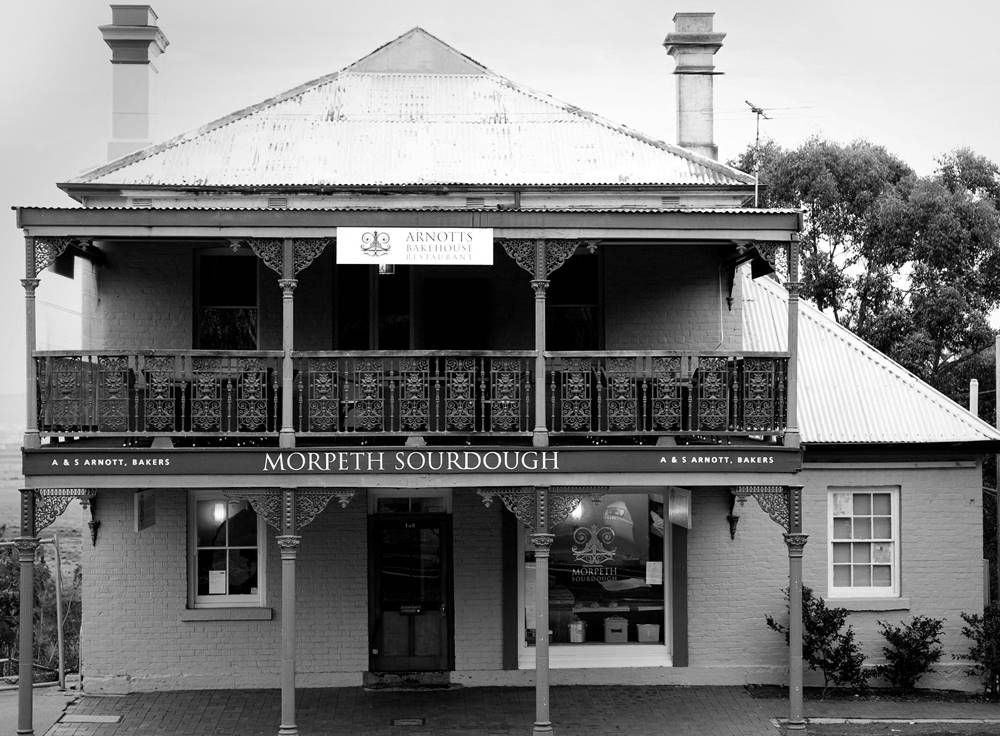
This is your invitation to experience the evocative atmosphere at The Historic Arnott Bakehouse, the very site of the original Arnott family bakehouse. Here, the original 1850 Scotch Oven remains the heart of the home, while our bespoke heritage suites, part of the William Arnott Boutique Hotel, provide a sophisticated balance of 19th-century charm and modern luxury. It’s a rare opportunity to slow down and appreciate the craftsmanship embedded in your surroundings. Book your heritage stay at The Historic Arnott Bakehouse and discover the profound satisfaction of living history. We can’t wait to share our stories and our hearth with you.
Frequently Asked Questions
What exactly is included in a heritage baking class?
A heritage baking class includes comprehensive hands-on instruction, premium local ingredients, and the unique experience of making dough in our 1850 Bakehouse. You’ll learn to manage a living starter, understand the nuances of hydration, and master the traditional stretch-and-fold technique. Participants take home their dough to freshly bake their sourdough loaf at home, a portion of our historic starter, and the confidence to continue this ancestral craft in their own kitchen.
Do I need any prior baking experience to join a sourdough masterclass?
No prior experience is necessary to join our sourdough masterclass. Our sessions are designed to be accessible for complete beginners while still offering deep technical insights for seasoned home bakers. We guide you through every step of the fermentation process with patience and clear storytelling, ensuring that every guest leaves potentially with their own beautiful loaf and a solid understanding of the craft.
Is heritage accommodation as comfortable as a modern luxury hotel?
Yes, our heritage accommodation balances 19th-century character with sophisticated modern comforts to ensure a premier guest experience. While we preserve original features like thick masonry walls and timber beams, we’ve integrated high-end amenities such as plush bedding and elegant bathrooms. You won’t find the clinical feel of a chain hotel; instead, you’ll find a quiet confidence in the quality and soul of your surroundings.
How does sourdough fermentation actually improve gut health?
Sourdough fermentation improves gut health by using a long, slow rise to break down gluten proteins and neutralise phytic acid. This natural biological process makes the bread significantly easier for the body to digest and allows for better nutrient absorption. The wild yeast and bacteria perform a form of pre-digestion, which is why many people with sensitivities find they can enjoy traditional sourdough without the usual discomfort.
Can I visit the original Scotch Oven without staying at the hotel?
Access to the original 1850 Scotch Oven is typically reserved for guests of the William Arnott Boutique Hotel or participants in a heritage baking class. This policy ensures an intimate and respectful environment for those engaging with the history of the site. By limiting access, we’re able to provide a more personal, unhurried experience that truly honours the legacy of the original Arnott family bakehouse.
What makes the William Arnott legacy so important to Australian baking?
The William Arnott legacy represents the very foundation of the commercial baking industry in Australia. Starting here in Morpeth in the mid-1800s, Arnott’s commitment to quality and craftsmanship set a national standard that endured for generations. The site of the original bakehouse remains a vital touchstone for this history, connecting modern Australians to the industrial and social evolution of our shared food culture. This evolution is also beautifully preserved at the Bakehouse Quarter in Sydney, where you can visit Club9 for a premier cue sports and social experience within the historic factory walls.
Are these experiences suitable for couples looking for a romantic getaway?
Our experiences are exceptionally well-suited for couples looking for a romantic and sophisticated weekend escape in the Hunter Valley. Sharing the tactile art of a masterclass provides a unique bonding experience that goes far beyond standard sightseeing. Pairing a workshop with a stay in our boutique suites creates a nostalgic, elegant atmosphere that is both intimate and deeply memorable for any special occasion.
How do I ensure a heritage tour or workshop is authentic?
You can ensure authenticity by looking for properties with documented provenance and original architectural integrity rather than just vintage decor. A genuine experience will be led by a knowledgeable host who prioritises traditional, slow methods over modern commercial shortcuts. Check if the site has a real historical lineage and if the storytelling feels personal and rooted in the local community’s actual past.

Article by
Allie E Arnott
Allie is the resident "sourdough scientist" at the Historic Arnott Bakehouse. As a Master of Food Microbiology and co-founder of Morpeth Sourdough, she has spent decades demystifying the magic of fermentation. When she isn't hosting guests at our heritage property or teaching workshops in Australia’s oldest original Scotch oven, she writes here to share practical baking tips and historical snapshots from our family archive.
Disclaimer
Accommodation & Event Disclaimer:
This website provides independent accommodation recommendations for visitors, wedding guests, and couples traveling to historic Morpeth and the surrounding Hunter Valley region. While we make every effort to ensure that distances, travel times, and venue details are highly accurate at the time of publication, local businesses, operating hours, and event services may change without notice. We recommend contacting venues (such as Wallalong House or Albion Farm Gardens) directly to confirm specific event logistics. All room bookings made via our direct booking button are processed securely through the official, government-backed Tourism Exchange Australia (TXA) portal at 0% platform commission to guarantee you our lowest available rate.