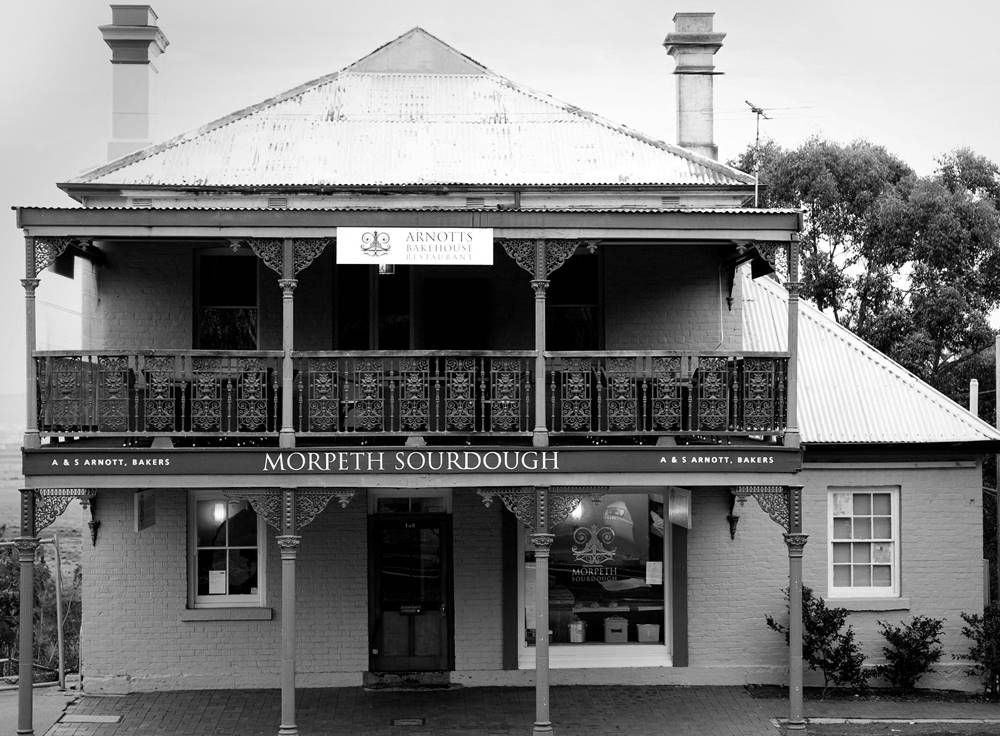
You don’t need a baker’s hands to begin: a sourdough class gives you the chance to mix and shape a loaf, then bake it at home. Wild yeast occurs naturally in flour and the air. During fermentation, it works with bacteria to help the dough rise and develop flavour.
Hydration is the amount of water in the dough relative to the flour, and it affects how the dough feels to handle. It’s also natural to wonder whether sourdough supports gut health, but that isn’t a guaranteed benefit or a substitute for personal dietary advice. This guide explains what happens during a class, what you can practise and how to decide whether the experience suits your baking level.
Key Takeaways
- Use your baking experience to decide whether a guided class can build confidence or help refine your technique.
- Learn which parts of sourdough making you can practise during a workshop and continue at home.
- Consider how learning in a heritage bakehouse can add a sense of place to a practical baking experience.
- Explore how a sourdough class could complement a relaxed heritage stay.
Workshop suitability for beginners and experienced bakers
The class takes place in an original 1850s bakehouse kitchen. Parking and step-free access are practical considerations at a heritage venue, where entrances and thresholds can differ from contemporary spaces. Plan your arrival with those features in mind.
New to sourdough? A hands-on class can help you follow each stage, from combining ingredients to shaping dough, without requiring previous baking experience. Stephen Arnott has been perfecting sourdough since 2001, while artisan baker Warwick Quinton has specialised in sourdough and naturally leavened breads since about 1990. Their experience gives learners a chance to explore both technique and the craft behind each loaf.
Allie, Stephen Arnott’s wife, holds a Master of Food Microbiology. Her expertise brings a scientific perspective to the yeasts and bacteria involved in sourdough, making the process easier to understand without turning the class into a lecture. Experienced home bakers can observe how dough responds during shaping and how handling affects its structure. Pay attention to what you see and feel, then adapt your technique accordingly.
The class suits solo learners and small groups: workshops are for one to six guests, while private classes can be requested for groups of three to six. A private format may suit friends or family who want to learn together. Decide whether you’d prefer a shared setting or a class arranged for your group. Either way, you’ll handle dough, ask practical questions and practise skills for your own kitchen.
Hands-on sourdough workshop in the Hunter Valley
A practical class takes you through mixing and shaping dough, then baking your loaf at home. When attending a travelling or hosted sourdough workshop Hunter Valley session with The Historic Arnott Bakehouse, understanding the starter and how the dough feels makes each step easier to follow.
Age Requirements and Class Size
Each workshop is for one to six guests, and private classes can be requested for groups of three to six. No minimum age is specified here, so consider whether a younger participant can comfortably join the hands-on activity. Classes in Newcastle or on the Central Coast may use different formats; compare their practical activities and group arrangements rather than assuming they are identical.
Upcoming Dates and Times
Upcoming sessions are scheduled for Saturday 28 November 2026 and Saturday 23 January 2027, both from 10am to 4pm. Allow time for the full session when planning your travel. Bookings must be made at least 48 hours before the workshop date, so choose a session and book ahead within that window.
Skills and Recipes Covered
You will mix and shape a sourdough loaf during class, then bake it at home using your own domestic appliances. A starter is a mixture of flour and water in which wild yeast and bacteria ferment, producing gas that helps dough rise. Hydration means the amount of water relative to flour, and it affects whether dough feels firm or sticky as you handle it. The class centres on a practical sourdough loaf-making experience.
Bookings can be cancelled or rescheduled free of charge up to 7 days before class. View class dates and booking details.
Which Hunter Valley venues offer sourdough baking classes?
For a class in Morpeth, look for a venue where the baking setting connects with the town’s heritage. The sourdough workshop takes place in the original 1850s bakehouse kitchen at 148 Swan Street, Unit 2, Morpeth NSW 2321. That historic setting gives the practical work a strong sense of place.
The kitchen’s earlier baking life also provides context for learning a craft shaped by time, ingredients and careful handling. William Arnott baked at the Historic Arnott Bakehouse in the 1860s, linking Morpeth’s baking story with the sourdough experience today. For visitors, the address makes it possible to plan the class as part of a Morpeth visit, rather than treating the venue as an interchangeable function space.
When comparing venues, focus on the experience the class actually offers. A useful venue should let participants work directly with dough, follow the stages of shaping and learn how to continue the process at home. The Morpeth workshop is hands-on: participants mix and shape a loaf, then bake it later in their own kitchen. That home-baking step matters because domestic ovens and everyday kitchen conditions are where the method needs to work.
Nearby Newcastle and Central Coast classes may have different venues and teaching formats, but no comparable venue details are available here for a reliable side-by-side assessment. Rather than assume they are alike, compare location, practical participation and whether the class is designed around baking at home. For a heritage setting in Morpeth, choose the class held in the original bakehouse kitchen and plan your visit around 148 Swan Street.
The Historic Arnott Bakehouse: William Arnott Boutique Accommodation, Morpeth
The Historic Arnott Bakehouse brings a Morpeth sourdough class and heritage accommodation together, making it a natural next step if you’d like to extend your baking visit into a stay. The William Arnott Boutique Accommodation, Morpeth, offers three distinct suites: The Monte Carlo Penthouse for an indulgent couples’ or group escape, the VoVo Suite with Hunter River and Morpeth Bridge views, and the intimate SAO Studio for solo travellers.
Choose the Sourdough Class, Morpeth, to learn hands-on in the historic bakehouse setting, or consider the Loft Studio in East Maitland for a separate accommodation option. A stay can give you time to enjoy Morpeth at an unhurried pace around your class.
To explore the class or accommodation, visit historicarnottbakehouse.com.au.
Make room for a slower kind of escape
Choosing a sourdough workshop in the Hunter Valley can be the beginning of a more considered weekend, one shaped by craft, place and time to enjoy the experience without rushing from one stop to the next. The next step is to decide whether you’d like to focus on the class itself or weave it into a longer Morpeth stay. Either way, the pleasure lies in carrying a little of the day home: the confidence to work with dough, and the memory of learning in a place with a baking story of its own.
If you’re ready to plan your visit, contact The Historic Arnott Bakehouse to explore the class and accommodation options. Let your next regional escape begin with a hands-on experience and plenty of time to savour it.
Frequently Asked Questions
What sourdough workshops are available in the Hunter Valley, NSW?
The Historic Arnott Bakehouse offers a hands-on sourdough class, rather than a choice of different workshop styles. Participants work with dough themselves, making it a practical option if you’d like to understand the process by doing it. The class takes place in a historic bakehouse setting, bringing the craft and the place together naturally.
What is included in the workshop price, such as ingredients, lunch or a starter?
The session focuses on making a sourdough loaf, with participants mixing and shaping dough during class. Ingredients are part of the baking activity. Lunch and a take-home starter aren’t described as class inclusions, so don’t plan your day on the assumption they’re provided. A starter is the fermented mixture of flour and water that helps dough rise.
How long do the workshops run, and are they suitable for beginners?
Scheduled sessions run from 10am to 4pm, giving participants time to work through the practical stages at a measured pace. Beginners can take part without previous sourdough experience. If you’re new to baking, focus on learning how the dough feels as you mix and shape it; those observations help you repeat the method at home.
Are private, group or gift-voucher sourdough classes available in the Hunter Valley?
Group sessions accommodate one to six guests, and private classes can be requested for groups of three to six. A private format suits friends or family who want to learn together. A gift voucher is separate from reserving a class, so consider whether the recipient would prefer a shared session or a planned date.

Article by
Allie E Arnott
Allie is the resident "sourdough scientist" at the Historic Arnott Bakehouse. As a Master of Food Microbiology and co-founder of Morpeth Sourdough, she has spent decades demystifying the magic of fermentation. When she isn't hosting guests at our heritage property or teaching workshops in Australia’s oldest original Scotch oven, she writes here to share practical baking tips and historical snapshots from our family archive.
Disclaimer
Accommodation & Event Disclaimer:
This website provides independent accommodation recommendations for visitors, wedding guests, and couples traveling to historic Morpeth and the surrounding Hunter Valley region. While we make every effort to ensure that distances, travel times, and venue details are highly accurate at the time of publication, local businesses, operating hours, and event services may change without notice. We recommend contacting venues (such as Wallalong House or Albion Farm Gardens) directly to confirm specific event logistics. All room bookings made via our direct booking button are processed securely through the official, government-backed Tourism Exchange Australia (TXA) portal at 0% platform commission to guarantee you our lowest available rate.