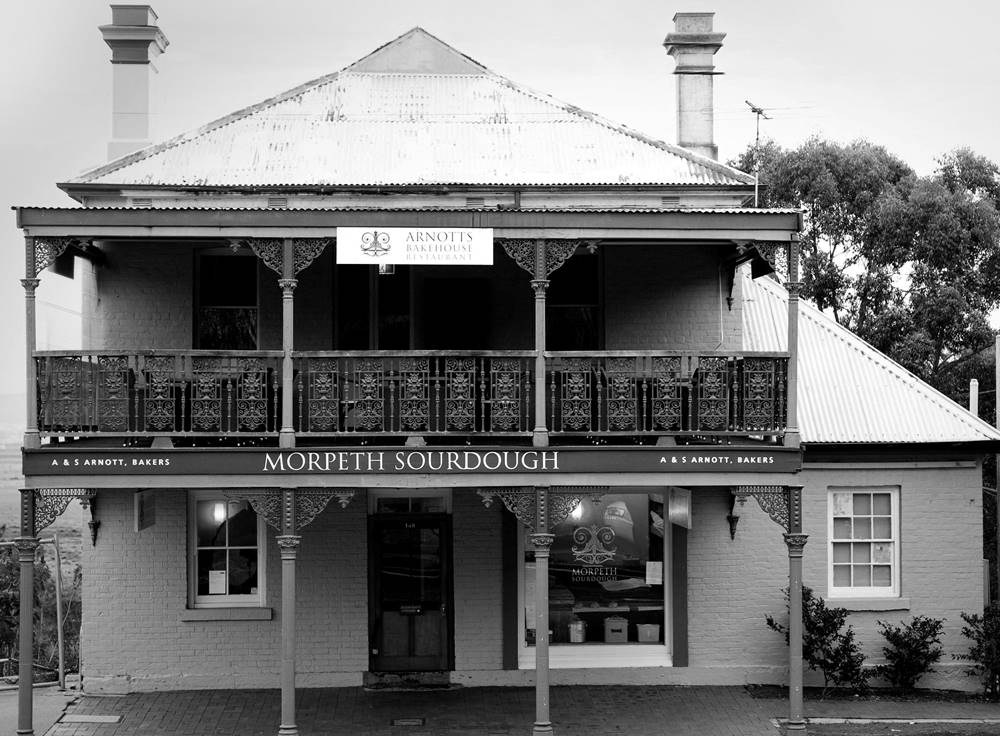
In the world of travel, a quiet revolution is taking place. The glossy, fast-paced city break is making way for something with more texture, more soul. Discerning travellers in 2026 are no longer content to simply observe culture from behind a velvet rope; they yearn to feel its grain, taste its history, and inhabit its stories. This is the new era of immersive cultural experiences, where the line between guest and historian blurs, and your accommodation becomes the heart of the narrative.
The modern luxury traveller is trading transient sightseeing for deep, sensory-led journeys that breathe life into Australia’s rich past. It’s a shift from merely looking at landmarks to waking up within them, and from sampling local food to mastering the ancient craft behind it. This is heritage travel, reimagined.
Table of Contents
The Evolution of Cultural Experiences: From Observation to Immersion
For decades, cultural travel meant ticking off museums, galleries, and monuments. It was a passive act of consumption. But today, a profound change, championed by the ‘Slow Travel’ movement, has reshaped our desires. We now seek active, sensory participation—a genuine connection to place that a fleeting tour simply cannot provide. This is why heritage-listed landmarks are becoming more sought-after than modern high-rises, and why the story behind the stone now matters as much as the thread count of the sheets in your suite.
This evolution has given rise to the concept of ‘Living History,’ a trend where travellers choose to stay in buildings with a significant industrial or culinary past. It’s a recognition that culture isn’t just an exhibit; it’s an atmosphere you can live and breathe, even if just for a weekend.
The Rise of the ‘Living History’ Stay
A museum can tell you about history, but it cannot place you within it. A heritage stay, however, offers a 24-hour cultural immersion that is both deeply personal and profoundly memorable. Imagine the emotional resonance of waking not in a generic suite, but in a c.1850 colonial-era bakehouse, where the faint, phantom scent of woodsmoke seems to linger in the original brickwork. This is what it means to go beyond visiting a place and to truly inhabit its story. It’s an experience that engages the senses and creates a lasting connection that a day trip could never achieve.
Culinary Heritage and the Artisan Revival
Nowhere is this shift more apparent than in the realm of culinary travel. Food-focused heritage—such as the enduring legacy of a legendary baking empire—has become a primary travel motivator. Travellers are increasingly drawn to destinations where they can connect with the origins of their food. This isn’t just about dining; it’s about understanding the science of fermentation, the history of the Australian palate, and the time-honoured traditions that shaped our culinary identity. It transforms a meal from a simple pleasure into a rich cultural dialogue with the past.
Why Heritage Stays are the New Frontier of Cultural Travel
The finest modern heritage stays have mastered the art of ‘curated curation,’ where every object, from a piece of reclaimed furniture to a locally crafted ceramic, tells a specific story. It’s an approach that transforms a suite into a private gallery of local and family history. This philosophy recognises that true luxury lies not in uniformity, but in character. These individually designed suites are a testament to the idea that where you stay is an integral part of the cultural experience itself.
This new frontier is defined by sensory details: the comforting aroma from a wood-fired oven that has been in use for over a century, the rough, honest texture of original convict-laid brickwork, or the tranquil view of a historic river that has been a lifeline for generations. These elements weave a narrative that is felt as much as it is seen.
Sensory Narratives in Boutique Suites
Each suite within a heritage landmark can offer a unique cultural perspective. The Monte Carlo Penthouse, for instance, might serve as the pinnacle of luxury for couples seeking an evocative, private retreat, blending expansive modern comfort with subtle historical reverence. A grander offering like the VoVo Suite can provide a sweeping cultural vista, with views overlooking the historic Hunter River and the magnificent Morpeth Bridge, connecting guests to the very arteries of the region’s past. For the contemplative solo traveller, the SAO Studio offers a different kind of immersion—a private heritage oasis designed for quiet reflection and deep connection to the building’s artisan soul.
Connecting with Local Artisans and Landscapes
An authentic cultural experience extends beyond the walls of your accommodation. The value of ‘Obsessive Local Accuracy’ cannot be overstated; knowing that a celebrated boutique is a precise three-minute walk away, or that the rolling vineyards of the Hunter Valley are just a scenic 15-minute drive, enriches the entire journey. A great heritage stay acts as a gateway, positioning you at the centre of a vibrant tapestry of local artisans, producers, and landscapes, ready to be explored at a moment’s notice.
Preserving the Craft: How Hands-On Learning Enriches Your Journey
The most profound cultural experiences are often tactile. They involve learning, creating, and engaging directly with tradition. This is why a sourdough bread making class held within a historic bakehouse is more than just a lesson in baking; it’s a powerful way to connect with 19th-century rituals. It’s about moving beyond the recipe to understand the science of wild yeast and fermentation—a form of cultural literacy that nourishes both body and mind.
Here, you learn from ‘Hospitable Storytellers’ like Steve and Allie, experts who not only teach a craft but also live and breathe the heritage of their site. They share stories and techniques passed down through generations, ensuring that tradition is not just remembered but actively practiced. In this setting, you realise that bringing a physical skill home is the ultimate souvenir—a tangible piece of your culturally rich escape.
The Storytelling of the Scotch Oven
At the heart of this living history is the landmark 1850 Scotch Oven. It stands not as a cold, static display, but as a working centrepiece of the bakehouse—a warm, breathing link to the past. The legacy of its founder, William Arnott, is preserved here not through stuffy exhibits, but through its active, daily use. The oven’s enduring warmth is a constant reminder that history is not something to be cordoned off; it is something to be shared, participated in, and kept alive through the very craft it was built to serve.
Planning Your Next Culturally-Rich Escape
As you plan your travels for 2026, we invite you to look for these deeper connections. Seek out authentic heritage stays that offer genuine artisan experiences and a true sense of place. Look for hosts who are passionate guardians of their property’s story and are eager to share it with you. This is the year to trade the transactional ‘check-in/check-out’ mentality for a more rewarding ‘stay and learn’ philosophy. Choose to be a part of the story, not just a visitor passing through.
Secure your stay in the Monte Carlo Penthouse or book a Sourdough Masterclass today and immerse yourself in the living history of Morpeth.
Frequently Asked Questions
What exactly are cultural experiences in a travel context?
In a modern travel context, cultural experiences have evolved beyond passive sightseeing. They now refer to immersive, participatory activities that connect you to the history, craft, and soul of a destination. This can range from staying in a heritage-listed building and learning its story to taking a hands-on artisan class, like sourdough baking, that teaches a traditional skill.
Are heritage stays as comfortable as modern luxury hotels?
Absolutely. The finest heritage stays masterfully blend historical preservation with contemporary luxury. While they celebrate original features like exposed brick and restored timber, they also prioritise premium comforts such as high-end linens, modern amenities, and sophisticated interior design. The goal is to offer a unique, character-filled atmosphere without compromising on the comforts discerning travellers expect.
Why is sourdough baking considered a cultural experience?
Sourdough baking is a foundational culinary craft that connects us to a time before commercial yeasts existed. Learning to bake sourdough, especially in a historic bakehouse, is a cultural experience because it is a hands-on lesson in history, science, and tradition. It’s an act of preserving an ancient technique and understanding the human ingenuity that has sustained communities for centuries.
How do I ensure a heritage stay supports local preservation?
An authentic heritage stay is operated by hosts who act as custodians of the property’s history. By choosing to stay with them, you are directly contributing to the maintenance, restoration, and preservation of a significant landmark. Your patronage helps ensure that these important pieces of history are not just preserved but are given a vibrant, living future for others to experience.

Article by
Allie E Arnott
Allie is the resident "sourdough scientist" at the Historic Arnott Bakehouse. As a Master of Food Microbiology and co-founder of Morpeth Sourdough, she has spent decades demystifying the magic of fermentation. When she isn't hosting guests at our heritage property or teaching workshops in Australia’s oldest original Scotch oven, she writes here to share practical baking tips and historical snapshots from our family archive.
Disclaimer
Accommodation & Event Disclaimer:
This website provides independent accommodation recommendations for visitors, wedding guests, and couples traveling to historic Morpeth and the surrounding Hunter Valley region. While we make every effort to ensure that distances, travel times, and venue details are highly accurate at the time of publication, local businesses, operating hours, and event services may change without notice. We recommend contacting venues (such as Wallalong House or Albion Farm Gardens) directly to confirm specific event logistics. All room bookings made via our direct booking button are processed securely through the official, government-backed Tourism Exchange Australia (TXA) portal at 0% platform commission to guarantee you our lowest available rate.