Why settle for a room that looks exactly like the one you stayed in last month, when you could wake up inside a living story? Finding truly evocative accommodation in a restored 19th-century building is about more than just finding a place to sleep; it’s about reconnecting with a sense of place that generic, soulless chain hotels simply can’t replicate. You shouldn’t have to choose between historical charm and the functional luxury of the modern world, nor should you feel like you’re tiptoeing through a fragile museum where the original character has been stripped away.
We understand that the most memorable travels are those that offer a deep connection to Australian colonial history and family legacies without sacrificing contemporary elegance. In this guide, you’ll discover how authentic 19th-century restorations blend heritage with premium comfort for a stay that feels both nostalgic and sophisticated. We’ll explore the architectural significance of these unique spaces and show you how to find a retreat that tells a story while wrapping you in quiet, high-end luxury.
Key Takeaways
- Learn how to look past the museum-like feel of some heritage stays to find a property that offers a living, breathing connection to the past.
- Discover the essential architectural features, such as original cedar joinery and sandstone walls, that distinguish authentic accommodation in a restored 19th-century building.
- Uncover the secrets of invisible luxury, where modern amenities like high-pressure plumbing and smart climate control are integrated without marring historical charm.
- Find out how to verify a building’s provenance to ensure your stay supports a genuine restoration rather than a shallow modern replica.
- Explore how staying at a site with a deep family legacy, such as a historic bakehouse with an original 1850 Scotch Oven, provides a more evocative travel experience.
The Allure of Staying in a Restored 19th-Century Building
There’s a specific kind of magic that happens when you step across the threshold of a building that has stood for over a hundred and fifty years. It isn’t just about the aesthetics of the past; it’s about the weight of the stories held within the walls. Choosing accommodation in a restored 19th-century building offers a profound departure from the predictable, often clinical nature of modern chain hotels. Instead of a standardised room that could be anywhere in the world, you’re invited into a space with a soul. This psychological appeal stems from a deep human desire for permanence and narrative. When you stay in a heritage property, you aren’t just a guest; you become a temporary custodian of a legacy that began long before your arrival and will continue long after you leave.
The search for such distinctive environments is part of a global movement towards independent hospitality; properties like the Water Street Inn exemplify this by offering a bespoke, character-driven experience that contrasts sharply with the predictable nature of mass-market accommodation.
Defining Authentic 19th-Century Restoration
In the Australian context, a genuine 19th-century restoration is worlds apart from “period-style” new builds that merely mimic the look of yesteryear. Authentic restoration involves the painstaking process of Historic preservation, where original fabric is protected and repaired rather than replaced with modern replicas. Heritage listing provides the framework for this, ensuring that any modifications respect the building’s historical integrity. According to the Australian Burra Charter, heritage restoration means returning the existing fabric of a place to a known earlier state by removing accretions or by reassembling existing components without the introduction of new material. It’s this commitment to truth in architecture that creates such an evocative atmosphere for travellers seeking a real connection to the 1800s.
Why Heritage Stays Outshine Modern Chain Hotels
Modern hotels often rely on “cookie-cutter” layouts designed for efficiency, resulting in rooms that feel interchangeable. In contrast, 19th-century architecture was dictated by the era’s craftsmanship and the specific needs of the time, leading to individually designed hotel rooms with unique floorplans and unexpected nooks. These buildings possess a natural character that modern materials can’t replicate. Consider the physical benefits that define the experience:
- Natural Thermal Mass: Thick masonry walls, often made of local sandstone or handmade bricks, keep interiors naturally cool in summer and retain warmth during a crisp Hunter Valley winter.
- Acoustic Character: The density of original timber floors and solid brickwork provides a quiet, muffled elegance that feels private and secure.
- Architectural Honesty: High ceilings and original sash windows offer a sense of volume and light that feels generous and airy, unlike the cramped feel of modern high-rises.
This isn’t just about luxury; it’s about an environment that encourages you to slow down and notice the details, from the grain of the cedar joinery to the uneven texture of a hand-pressed brick. By choosing a stay with a documented history, you’re opting for a sensory dialogue between historical craftsmanship and modern hospitality.
Architectural Storytelling: The Anatomy of a Heritage Stay
Every brick and beam in a heritage property has a story to tell, provided they’ve been handled with care. When you choose accommodation in a restored 19th-century building, you’re interacting with a physical record of Australian craftsmanship. High ceilings were once a necessity for air circulation in our harsh climate, while intricate cornices and sash windows reflected the aspirations of early settlers. The materials used were often hyper-local; think of the warm hues of New South Wales cedar or the rugged texture of hand-quarried sandstone. These elements develop a “patina of time” over decades, a soft wear and tear that adds a sophisticated layer of character that new builds simply cannot emulate.
Choosing accommodation in a restored 19th-century building allows you to inhabit a space where the industrial or commercial past, such as a bustling bakehouse or a rural mill, informs the very layout of your suite. These original purposes aren’t hidden away but celebrated. Thick walls designed to withstand the heat of massive ovens now provide a peaceful, quiet sanctuary for the modern traveller. This architectural honesty creates a sense of discovery, as if you’re being given a guided tour through the history of the building itself just by walking through the door.
Preserving Original Features from the 1800s
The heart of a truly authentic restoration lies in the details that most modern renovations might overlook. In a historic bakehouse, for instance, the presence of an original 1850 Scotch Oven serves as a powerful anchor to the past. Keeping such a massive, functional piece of history requires adhering to rigorous official standards for historic properties to ensure the structural and aesthetic integrity remains intact. It’s about more than just the big features; it’s the solid weight of the original timber floorboards underfoot and the rhythmic pattern of exposed, handmade brickwork that creates a sense of groundedness. Even the hardware matters. Sourcing period-accurate brass handles or hand-forged ironmongery ensures the story remains consistent throughout every room.
The Sensory Experience of Historic Interiors
A heritage stay is a full-body experience that begins the moment you breathe in. There’s a distinct, comforting scent of aged timber and wax that greets you. You feel the cool, steady temperature of stone walls and hear the satisfying “clack” of a heavy, solid wood door. This atmosphere is deepened when the building’s original purpose is still honoured. At the Historic Arnott Bakehouse, the “Science of Sourdough” isn’t just a concept; the aroma of artisan baking from our sourdough class often drifts through the hallways, bridging the gap between 1850 and today. This sensory curation turns a simple night away into an evocative journey. If you’re looking for a stay that offers both high-end comfort and a genuine connection to family legacies, our William Arnott Boutique Hotel suites provide the perfect sanctuary to slow down and appreciate the craftsmanship of a bygone era.
Balancing Colonial Charm with Modern Australian Luxury
A common hesitation for the modern traveller is the fear that a heritage stay might feel more like a museum visit than a holiday. There’s a lingering worry that “historic” is simply code for “drafty” or “dimly lit”. However, premium accommodation in a restored 19th-century building proves that colonial charm and contemporary luxury are not mutually exclusive. The goal is to provide a seamless experience where the 1800s provide the atmosphere, while the 21st century handles the comfort. You shouldn’t have to choose between a sense of place and a good night’s sleep.
This balance is achieved through “invisible” technology. You might be admiring a hand-carved cedar mantelpiece while enjoying high-speed Wi-Fi and silent, smart climate control. High-pressure plumbing is discreetly integrated into heritage footprints, ensuring that a morning shower feels as indulgent as it would in a five-star skyscraper. To bridge the gap between eras, we prioritise tactile luxury; think of high-thread-count linens and cloud-like mattresses that feel right at home beneath soaring, original ceilings. Because these buildings possess unique, non-standard layouts, a boutique approach is essential. It allows a knowledgeable host to curate each room individually, ensuring the quirks of the architecture become cherished features rather than inconveniences.
Integrating Contemporary Amenities into Heritage Spaces
Clever restoration involves hiding the guts of modern living. Wiring and ductwork are often tucked behind oversized skirting boards or within existing ceiling voids to maintain a clean, historical look. We often favour “freestanding luxury” as a solution; a deep, stone bath or custom-built cabinetry can provide high-end functionality without requiring invasive structural changes to original masonry. This ensures the building remains functional and comfortable while respecting its 19th-century soul. It’s about working with the building, not against it.
The Ethical Preservation Debate: Function vs. Museum
There’s a strong argument in the heritage community that for a building to truly survive, it must be lived in and loved. A structure that is treated purely as a museum can quickly feel stagnant and fall into disrepair. By repurposing these sites into boutique hotels, we ensure they remain vibrant, breathing parts of the community. When you choose accommodation in a restored 19th-century building, you’re directly contributing to the ongoing conservation of Australian colonial architecture. You aren’t just a guest; you’re a vital part of the team keeping our history alive for the next generation.

How to Evaluate Quality in Heritage Listed Accommodation
Distinguishing between a premium heritage experience and a simple renovated space requires a keen eye for detail. When you’re searching for accommodation in a restored 19th-century building, your first step should be to research the property’s provenance. A truly significant building will have a documented history that the hosts are proud to share, often stretching back to the original colonial settlers or industrial pioneers of the region. This story shouldn’t just be a plaque on the wall; it should be woven into the very fabric of your stay.
Look closely at the materials used throughout the property. Is that a genuine timber sash window, or a modern aluminium frame dressed up in heritage colours? Authentic restoration prioritises the original fabric of the building. It celebrates the imperfections that tell a story, such as the gentle dip in a century-old floorboard or the varied texture of hand-pressed bricks. If a space feels too polished or looks like a modern showroom with a few antiques thrown in, it likely lacks the soul of a true heritage stay. A quality restoration feels grounded and permanent, offering a sensory dialogue between the craftsmanship of the 1800s and the comforts of today.
Identifying Genuine Restorations vs. Period-Style Mimicry
Beware of “heritage-washing”, where modern builds attempt to mimic the past with cheap replicas. Warning signs include plastic cornices, modern windows that don’t match the original proportions, and thin walls that lack the natural thermal mass of 19th-century masonry. A genuine restoration respects the original footprint and uses sympathetic additions to distinguish between old and new. You want to see the hand of the original builder in the uneven tiles or the solid weight of the doors, as these elements provide an authenticity that no modern replica can match.
Practical Considerations for the Modern Traveller
If you’re ready to experience a stay that balances meticulous preservation with high-end comfort, explore our boutique hotel accommodation to see how we’ve honoured the Arnott family legacy through every brick and beam.
Living History: The Historic Arnott Bakehouse Experience
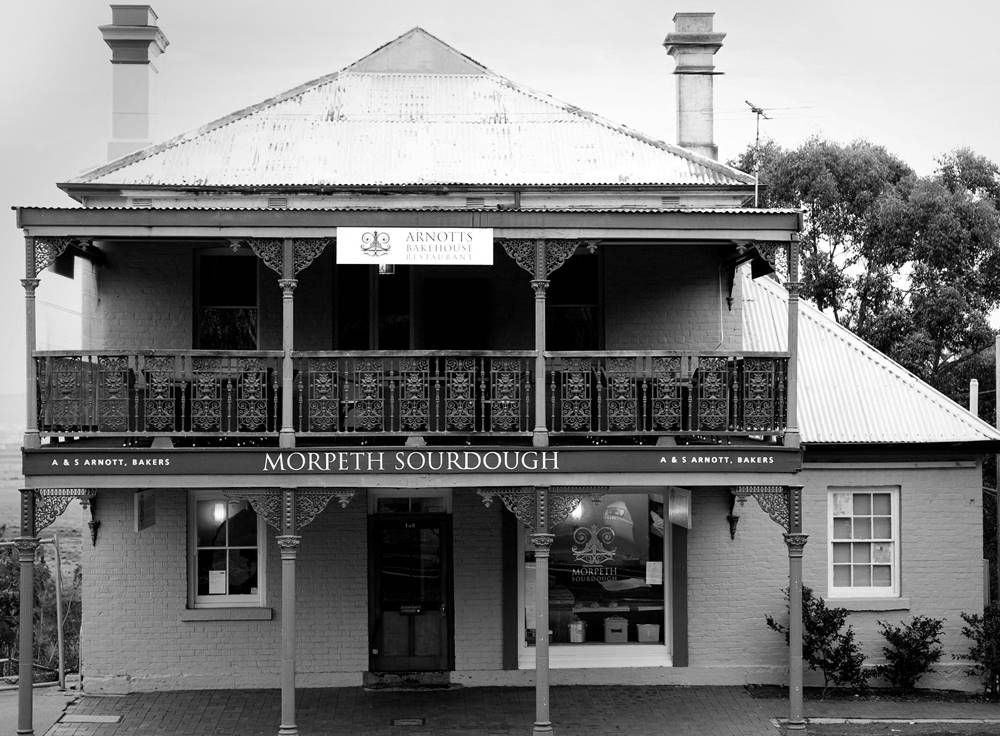
The Historic Arnott Bakehouse stands as a profound testament to the enduring power of family legacy and craftsmanship. As the original 19th-century home and bakery of William Arnott, this site in Morpeth is far more than a mere place to rest your head; it’s a living piece of Australian industrial history. When you choose accommodation in a restored 19th-century building of this significance, you’re stepping into the very rooms where one of the nation’s most iconic brands was born. Our William Arnott Boutique Hotel suites have been meticulously curated to preserve the rugged charm of the original bakehouse while providing the quiet elegance and comfort expected by the modern traveller.
Staying here allows you to inhabit a narrative that began in the mid-1800s. The walls themselves seem to echo with the stories of a pioneering family who helped shape the culinary landscape of Australia. It’s an invitational experience that encourages you to slow down, breathe in the history, and appreciate the tactile reality of hand-pressed bricks and original timber. This is where the past isn’t just remembered; it is felt in every thoughtfully restored corner of the property.
From the 1850 Scotch Oven to Boutique Luxury
The undisputed centrepiece of our “Living History” experience is the original 1850 Scotch Oven. This massive structure is a rare survivor of Australia’s early industrial era and served as the heart of William Arnott’s operation. It represents a time when baking was a labour of love and precision, a spirit we strive to honour in our current restoration. By preserving this functional relic, we bridge the gap between the 19th-century workspace and contemporary boutique luxury. Guests find a unique charm in staying in a building that once fed a nation, where the industrial grit of the past has been softened by high-end linens and sophisticated interior design.
Immersive Stays: Sourdough Science and Family Legacies
Your stay at the bakehouse is inextricably linked to the art of the craft. We believe that heritage is best experienced through the senses, which is why we combine luxury lodging with a deep dive into the “Science of Sourdough.” Many of our guests find that a stay is perfectly complemented by a sourdough bread making class, where Allie’s expertise in wild yeast and fermentation adds a layer of living science to the historical setting. It’s a chance to engage with the same fermentation principles that have guided bakers for centuries. Our Artisan sourdough classes offer a hands-on connection to the Arnott legacy, ensuring that when you leave this accommodation in a restored 19th-century building, you carry a piece of that history home with you in the form of a new skill and a deeper appreciation for the art of slow, traditional baking.
Experience the Art of Living History
Finding the right accommodation in a restored 19th-century building means looking for a space that values architectural honesty over mere mimicry. We’ve explored how the intersection of colonial heritage and high-end comfort creates a stay that feels both grounded and indulgent. By prioritising properties that maintain their original soul, like a functional bakehouse, you’re doing more than just booking a room. You’re helping to keep a legacy alive while enjoying a unique, sensory experience that modern hotels simply can’t match.
You can experience this firsthand by staying in the original 19th-century home of the Arnott family right here in Morpeth. Our suites offer award-winning hospitality centred around our meticulously preserved 1850 Scotch Oven, perfectly balancing heritage pride with the modern luxury you expect. It’s an invitation to slow down and appreciate the craftsmanship of a bygone era without sacrificing a single contemporary comfort.
Book your stay at the William Arnott Boutique Hotel and become a part of our story. We look forward to welcoming you as an honoured guest soon.
Frequently Asked Questions
Is accommodation in a restored 19th-century building suitable for modern travellers?
Yes, provided the restoration has prioritised “invisible” modern technology like high-speed Wi-Fi and smart climate control. Quality accommodation in a restored 19th-century building offers a unique blend of historical volume and contemporary luxury. You get the soaring ceilings and thick masonry walls of the 1800s alongside high-pressure plumbing and premium bedding that modern guests expect.
What is the difference between a heritage hotel and a standard boutique hotel?
While both focus on smaller, curated experiences, a heritage hotel is defined by its architectural provenance and historical significance. A standard boutique hotel might be a brand-new build with a specific design theme. In contrast, a heritage stay is rooted in the living history of the physical site, often preserving original industrial or domestic features that tell a specific Australian story.
Are historic buildings in Australia typically heritage listed?
Many significant 19th-century buildings are protected by local, state, or national heritage registers, though listing status varies between properties. In New South Wales, the Heritage Act 1977 provides the legal framework for this protection. Staying in a listed property ensures that the restoration has followed strict guidelines to maintain the building’s original character and historical integrity for future generations.
How do you balance historical preservation with modern guest comfort?
We achieve this balance by integrating modern amenities into the heritage footprint without damaging the original fabric of the building. This involves using “freestanding luxury” fixtures, such as deep stone baths, and hiding wiring behind oversized skirting boards or within existing ceiling voids. The goal is to ensure the building remains a functional, comfortable residence rather than a static museum piece.
Can I see original 19th-century features during my stay at the Historic Arnott Bakehouse?
Absolutely, as our property is the original site of the Arnott family bakehouse and contains several meticulously preserved features from the mid-1800s. The most significant is the 1850 Scotch Oven, which remains a centrepiece of the building’s living history. You’ll also encounter original handmade brickwork, solid timber floorboards, and cedar joinery that reflect the building’s industrial and domestic past.
Is the William Arnott Boutique Hotel self-contained?
Our boutique hotel offers private, luxury suites, while our other offerings like the Loft Studio and Fieldsend Cottage provide more independent, self-contained living options. Each space is individually designed to honour the building’s 19th-century layout. While we don’t offer a transactional 24-hour front desk, our focus is on providing a warm, personal, and hospitable experience for every guest.
What makes a 19th-century building restoration “authentic”?
Authenticity is found in the use of original materials and the preservation of the building’s “patina of time”. A genuine restoration avoids modern replicas like plastic cornices or thin, contemporary windows. It respects the principles of the Burra Charter by repairing existing fabric and only adding new elements that are sympathetic to the 19th-century aesthetic and structural honesty.
Does staying in a historic building support local heritage conservation?
Yes, your stay directly contributes to the ongoing maintenance and protection of Australian colonial architecture. By repurposing these significant sites as boutique accommodation, owners can afford the specialised craftsmanship required for heritage upkeep. It ensures these buildings remain vibrant, functional parts of the community rather than falling into decay or being replaced by standardised modern developments.

Article by
Allie E Arnott
Allie is the resident “sourdough scientist” at the Historic Arnott Bakehouse. As a Master of Food Microbiology and co-founder of Morpeth Sourdough, she has spent decades demystifying the magic of fermentation. When she isn’t hosting guests at our heritage property or teaching workshops in Australia’s oldest original Scotch oven, she writes here to share practical baking tips and historical snapshots from our family archive.
Disclaimer
Accommodation & Event Disclaimer:
This website provides independent accommodation recommendations for visitors, wedding guests, and couples traveling to historic Morpeth and the surrounding Hunter Valley region. While we make every effort to ensure that distances, travel times, and venue details are highly accurate at the time of publication, local businesses, operating hours, and event services may change without notice. We recommend contacting venues (such as Wallalong House or Albion Farm Gardens) directly to confirm specific event logistics. All room bookings made via our direct booking button are processed securely through the official, government-backed Tourism Exchange Australia (TXA) portal at 0% platform commission to guarantee you our lowest available rate.